Hibiscus Flower Embroidery: A Designer’s Review
As an embroidery designer who has tested hundreds of floral files for both personal passion projects and client commissions, I approach every new machine embroidery design with a critical eye. When evaluating the Hibiscus Flower Embroidery, my first impression is one of balanced elegance. This isn't just a generic tropical clip-art conversion; it possesses a visual weight and flow that suggests it was digitized with actual stitching in mind. The layout feels organic rather than rigid, capturing the lush, overlapping nature of hibiscus petals without becoming a dense, bulletproof patch of thread. For makers and small business owners, this distinction matters because it translates directly to how the finished product drapes, wears, and presents to customers.
First Impressions and Visual Personality
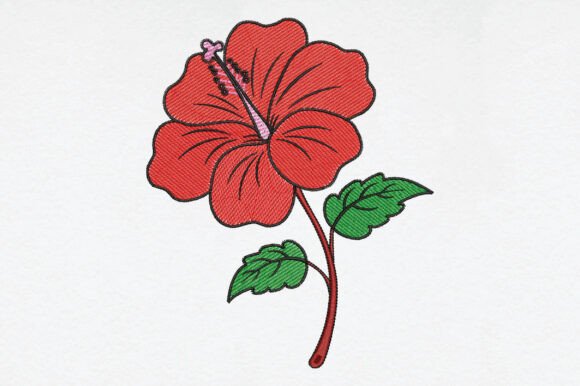
The mood of this Hibiscus Flower Embroidery strikes a sophisticated balance between vibrant tropical energy and refined botanical illustration. While categorized under Wedding Flowers, its versatility extends far beyond bridal wear. The design features clean lines and vibrant floral details that read well from a distance but still offer enough intricacy to satisfy close inspection. As a reviewer, I look for designs that don't rely solely on high stitch density to create impact. This file appears to utilize a smart mix of fill stitch and strategic satin stitch elements to define petal edges and stamen details without overworking the fabric. This thoughtful construction makes it an excellent candidate for projects where hand-feel is as important as visual appeal.
Real-World Application: Stitching a Custom Tote Bag
To truly judge this design, I mentally walked through a recent real-life scenario: creating a premium canvas tote bag design for a boutique client wanting a "resort chic" aesthetic. Canvas is unforgiving; it highlights registration errors and puckering instantly. In this context, the Hibiscus Flower Embroidery performs exceptionally well because of its structural integrity. When hooped with the appropriate stabilizer, the design anchors securely without pulling the heavy fabric out of alignment.
For this specific project, the vibrant floral details served as a focal point that elevated a standard utility item into a desirable fashion accessory. The client reaction confirmed what I suspected during the test stitch-out: the design communicates quality. It doesn't look like a mass-produced transfer or a cheap digital download. Instead, it reinforces the value of the handmade product. If you are an Etsy seller or run a craft business, using a design with this level of professional digitizing helps justify higher price points and builds customer trust in your brand consistency.
Best Use Cases for Apparel and Decor
Beyond tote bags, this embroidery file shines in several specific commercial and personal applications. Its scale and detail level make it particularly effective for:
- Sweatshirt Embroidery: Placed on the chest or back yoke, the design adds a pop of color to neutral fleece without making the garment stiff. The stitch count is likely manageable enough to prevent the "armor plate" effect common with overly dense florals.
- Baby Embroidery: While bold, the soft edges make it suitable for nursery decor or larger baby blankets. However, for direct-on-garment baby items, ensure the backing is soft against sensitive skin.
- Wedding Flowers Context: Although not a traditional rose or peony, this hibiscus works beautifully for destination weddings, beach-themed bridal showers, or tropical honeymoon apparel. It offers a unique alternative to standard bridal motifs.
- Holiday Embroidery: Perfect for summer resort collections, luau party gear, or vacation rental welcome gifts.
For those selling digital embroidery files or design assets, this motif serves as a strong portfolio piece because of its broad market appeal across seasons and demographics.
Critical Considerations: Where to Proceed with Caution
No design is universal, and as a professional reviewer, I must highlight where the Hibiscus Flower Embroidery requires careful handling. Understanding these limitations prevents wasted materials and frustrated customers.
Fabric Texture and Stability
Avoid using this design on highly textured fabrics like terry cloth or deep-pile fleece unless you use a water-soluble topping. The intricate petal details can get lost in the nap, reducing the visual clarity. Similarly, on thin or stretchy knits, the stitch density may cause distortion if you do not use adequate cut-away stabilizer and potentially a fusible mesh backing. Always test on a scrap of the exact fabric texture you intend to use for the final custom apparel piece.
Hoop Size and Placement
Verify your hoop size compatibility before purchasing or stitching. Floral designs often have irregular dimensions that can be deceptive in software previews. If you plan to resize the design significantly, remember that altering the size affects stitch properties. Shrinking it too much may cause satin stitches to become too narrow or disappear, while enlarging it might expose gaps in fill areas. For embroidered patch creation, ensure the design includes or allows for a proper border stitch; otherwise, you will need to add one manually in your editing software.
Color Contrast and Thread Selection
Vibrant floral details demand thoughtful thread colors. On dark fabrics, consider adding an underlay or using a lighter outline to make the hibiscus pop. Test the design in black and white mockups to check value contrast before committing to thread. A design that looks stunning in full-color digital previews might appear muddy when stitched in low-contrast threads. This step is crucial for maintaining professionalism in your small shop product listings.
Professional Notes for Makers and Sellers
Whether you are creating a personalized gift or stocking inventory for your shop, treat this Hibiscus Flower Embroidery as a professional asset that requires validation. Here are my non-negotiable checkpoints:
- Always Test Stitch: Never run a new embroidery project on a final garment without a test run. Check for jump stitches, trims, and registration issues specific to your machine.
- Review Licensing: Before selling finished items or offering the file as part of a bundle, confirm the commercial license terms. Protect your craft business by ensuring you have the right to monetize this specific digital embroidery file.
- Mockup Realistically: Use printable mockup templates that reflect actual stitch texture. Customers appreciate seeing realistic representations rather than flat vector art, which reduces returns and inquiries.
- Check Small Details: Inspect the center stamen and leaf veins. These tiny elements are often the first to fail during resizing or on unstable fabrics. If they look fragile in testing, simplify them or omit them for smaller applications.
- Stabilizer Matching: Match your stabilizer to the end-use. A tea towel needs tear-away for easy removal; a baby blanket needs cut-away for durability through frequent washing. The wrong choice can ruin even the best-digitized hibiscus.
Final Verdict on Design Value
The Hibiscus Flower Embroidery earns its place in a professional digitizer’s library through its combination of aesthetic appeal and technical soundness. It avoids the common pitfalls of amateur floral digitizing—excessive density, poor pathing, and lack of dimensionality. For commercial embroidery ventures, it offers a reliable, sellable motif that translates well across multiple product categories. For hobbyists and makers, it provides a satisfying stitching experience with beautiful results.
Ultimately, the success of any embroidery file depends on the user’s understanding of its strengths and limitations. By respecting the design’s parameters regarding fabric choice, stabilization, and sizing, you can leverage this hibiscus motif to create products that feel intentional, high-quality, and distinctly handmade. Whether enhancing a wedding trousseau or launching a summer collection, this design delivers the tropical elegance it promises, backed by the practical performance that experienced embroiderers demand.