Lemon Juice Glass Embroidery Design Review
As a professional embroidery designer specializing in commercial merchandise and brand identity, I approach every new machine embroidery design with a critical eye for production viability. When evaluating the Lemon Juice Glass Embroidery Design for small business applications, my primary focus is not just aesthetic appeal, but how this digital asset translates into a profitable, durable finished product. This review analyzes the design’s suitability for cafes, boutiques, and handmade brands looking to elevate their merchandise through high-quality needlework.
Visual Personality and Brand Alignment
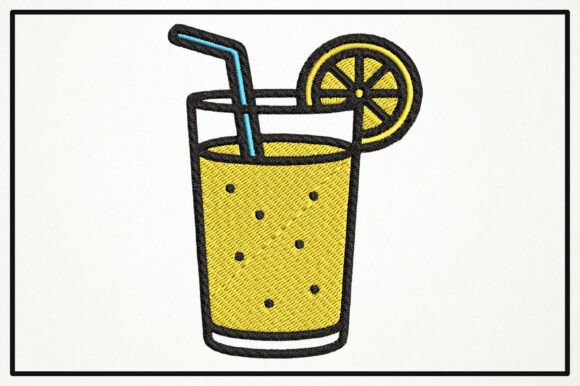
The first impression of the Lemon Juice Glass Embroidery Design is distinctly refreshing and minimalist. In the world of custom apparel and branding, minimalism is often synonymous with professionalism because it reduces visual clutter and ensures legibility at various sizes. The description highlights a vibrant yellow drink with a straw, suggesting a bold use of thread colors that can serve as an instant visual anchor for summer-themed collections or beverage-focused businesses.
For a local café, juice bar, or bakery, this design communicates freshness without being overly cartoonish. It strikes a balance between playful and polished, making it appropriate for both staff uniforms and customer-facing retail items. While categorized under wine in some databases, the specific imagery of lemon juice positions it perfectly for non-alcoholic beverage branding, brunch spots, or wellness brands. The clean lines implied by "minimalist" suggest that the digitizer has prioritized open spaces over excessive fill stitches, which is crucial for maintaining fabric drape on lightweight garments.
Commercial Applications for Small Business Merch
When integrating this embroidery file into a business lineup, versatility is key. Based on the design's characteristics, here is how I recommend deploying it across different product categories:
- Apron Embroidery: This is perhaps the strongest use case. Placing the lemon glass on the chest pocket area of a canvas apron creates immediate brand recognition for baristas and servers. The vibrant yellow contrasts beautifully against navy, black, or denim aprons.
- Tote Bag Design: For farmers' markets or boutique retail, this design works exceptionally well on natural cotton totes. The minimalist style complements the rustic texture of unbleached canvas, reinforcing a handmade product aesthetic that customers value.
- Cap Embroidery: Structured caps require designs that are not too dense. If the Lemon Juice Glass Embroidery Design maintains its minimalist integrity, it is ideal for front-panel placement. However, curved surfaces demand careful hooping and stabilization to prevent distortion of the glass outline.
- Embroidered Patch: Creating standalone patches allows businesses to sell add-ons or customize existing inventory. This design’s likely compact footprint makes it suitable for 3-inch or 4-inch patches that can be heat-sealed onto jackets, backpacks, or hats.
- Sleeve Details: For polo shirts or work tees, a smaller iteration of this design on the sleeve acts as a subtle secondary logo, balancing out a larger primary logo on the chest.
Production Considerations and Technical Constraints
While the aesthetic is appealing, successful commercial embroidery requires navigating technical limitations. As a designer, I must highlight where caution is necessary when using this digital embroidery file.
Stitch Density and Fabric Texture
The "vibrant yellow drink" implies a solid fill area. In machine embroidery, large blocks of satin or tatami stitch can cause puckering on lightweight fabrics like performance polyester or thin cotton. Before running production, you must verify the stitch density. If the design is too dense for your target garment, consider using a lighter mesh underlay or reducing the density in your editing software. Conversely, if stitching on textured terry cloth or fleece, the detail of the straw and glass rim may get lost, requiring a topping stabilizer to keep the design crisp.
Size Reduction Risks
Minimalist designs often tempt users to resize them significantly. Be wary of shrinking the Lemon Juice Glass Embroidery Design below its intended minimum size. Thin elements representing the glass outline or straw may become jagged or disappear entirely if reduced too much. Always check the minimum recommended dimensions provided with the file. If you need a tiny version for a collar tag or cuff, request or create a specifically redigitized micro-version rather than simply resizing the standard file.
Washability and Durability
For small business merch like uniforms and aprons, washability is non-negotiable. Ensure the thread type used (polyester vs. rayon) matches the care requirements of the garment. Polyester thread is generally preferred for commercial items due to its resistance to bleach and industrial laundering. Test the design after multiple wash cycles to ensure the vibrant yellow does not fade and the registration holds up against abrasion.
Impact on Brand Identity and Customer Trust
Embroidery signals permanence and quality. Unlike screen printing, which can crack or peel, an embroidered patch or direct stitch implies longevity. Using the Lemon Juice Glass Embroidery Design effectively enhances brand identity by associating your business with craftsmanship.
For Etsy sellers and creative studios, this design adds tangible value to products. A plain tote bag becomes a branded accessory; a generic apron becomes part of a cohesive team uniform. Consistency in visual presentation builds trust. When customers see sharp, clean embroidery that aligns with your other design assets, they perceive higher overall value. This is particularly important for businesses in the food and beverage sector, where cleanliness and attention to detail are paramount.
Professional Designer Notes for Implementation
To ensure the Lemon Juice Glass Embroidery Design performs flawlessly in a production environment, follow these professional protocols:
- Verify Licensing: Before selling any item featuring this design, confirm the commercial licensing terms. Some files are for personal use only; ensure you have the rights for commercial embroidery and resale.
- Create a Printable Mockup: Never skip the approval stage. Generate a realistic mockup to show clients or stakeholders exactly how the design will look on the specific garment color and style. This manages expectations regarding size and placement.
- Test on Real Fabric: Digital previews do not account for fabric pull or push. Run a sew-out on the exact material you intend to use. Check the registration of the straw against the glass rim and the smoothness of the yellow fill.
- Check Hoop Size Compatibility: Confirm the design dimensions fit within your machine’s hoop capabilities with adequate margin for the presser foot. If the design is close to the hoop limit, consider splitting it or using a larger hoop to avoid mechanical errors.
- Evaluate Contrast: Test the design in black and white first to ensure the internal details read clearly without relying solely on color contrast. If the glass outline blends into the fabric, adjust the thread color or add a contrasting border.
- Stabilizer Selection: Match the stabilizer to the fabric weight. Use cut-away for knits and stretchy fabrics to prevent distortion of the circular glass shape. Use tear-away only for stable, woven fabrics like canvas totes or denim aprons.
- Compare Beside Other Assets: Print or stitch a sample alongside your existing logos. Ensure the stitch style, density, and visual weight of the lemon glass design harmonize with your current branding rather than clashing with it.
The Lemon Juice Glass Embroidery Design offers a vibrant, professional option for businesses seeking to capture the essence of summer and freshness. By respecting technical constraints and applying strategic placement, this design can transform standard merchandise into powerful branding tools. Whether used for apron embroidery in a bustling café or as a signature mark on handmade goods, its success lies in thoughtful execution and quality production standards.