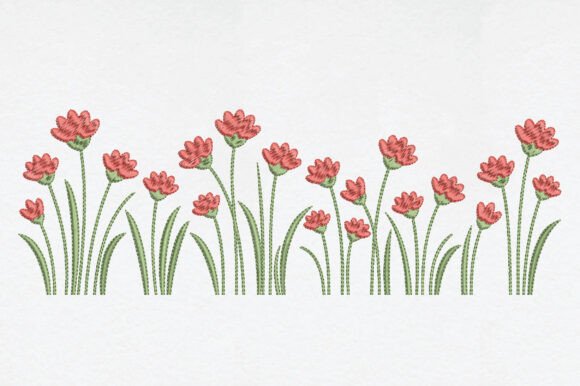
Simple Flower Garden Embroidery Review
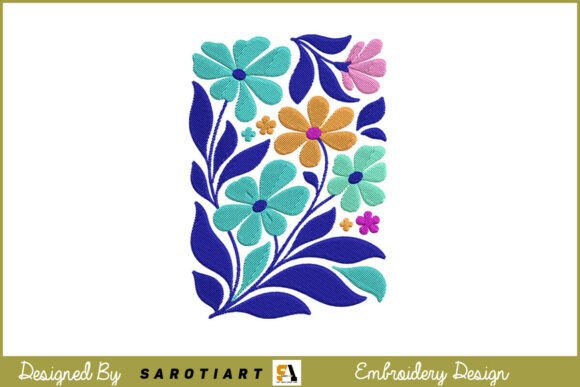
As I prepare my inventory for the upcoming weekend craft fair, my primary goal is selecting designs that balance aesthetic appeal with production efficiency. When reviewing the Simple Flower Garden Embroidery design, I am looking at it through the lens of a business owner who needs items to sell quickly while maintaining a reputation for high-quality handmade goods. This machine embroidery design presents itself as a charming, minimal floral arrangement that immediately signals "accessible luxury" to potential buyers. Unlike complex, dense landscapes that can feel heavy or dated, this design offers a clean silhouette that aligns perfectly with current market trends favoring modern farmhouse and cottagecore aesthetics.
First Impressions and Market Positioning
The first impression of Simple Flower Garden Embroidery is one of softness and versatility. It does not scream for attention with neon thread colors or excessive density; instead, it invites the customer to touch the fabric. For an Etsy seller or boutique maker, this is crucial. The design feels premium because of its restraint. In a crowded market booth, where visual noise is high, a clean and minimal floral arrangement acts as a visual palate cleanser. It reads clearly from a distance of three to five feet, which is the typical engagement zone at a vendor table. Customers can instantly identify it as a nature-inspired motif without needing to squint at tiny details. This immediate recognition is vital for converting foot traffic into sales, especially when shoppers are browsing quickly.
Evaluating Product Applications for Craft Fairs
When planning my booth display, I evaluate every embroidery file based on its profit margin and production speed. Simple Flower Garden Embroidery shines across multiple product categories, but some applications offer better returns than others.
Tote Bags and Market Shoppers
This is arguably the strongest application for this specific design. A tote bag design needs to be legible and stylish enough to be carried as a fashion accessory. Because this garden motif is described as simple, it leaves ample negative space on the canvas, preventing the bag from looking cluttered. For batch production, this means less run time per hoop compared to a full-coverage design, allowing me to produce more finished products in less time. The minimal stitch count also keeps the fabric flexible, avoiding the stiff, bulletproof feel that often plagues heavily embroidered bags.
Tea Towels and Kitchen Linens
Kitchen textiles are staple sellers at handmade markets. However, tea towel embroidery requires careful consideration of fabric texture. Flour sack towels and linen blends absorb stitches differently than woven cotton. The clean lines of Simple Flower Garden Embroidery translate beautifully to these textured surfaces because the design relies on shape rather than intricate shading. This makes it an excellent candidate for creating sets of two or three coordinating towels, increasing the average transaction value. As a small shop product, bundling these towels creates a perceived value that single items cannot match.
Apparel and Wearables
For apron embroidery or placement on denim jackets, this design serves as an elegant accent rather than a overwhelming centerpiece. Its scalability is a major asset here. I can resize the digital embroidery file to fit a chest pocket or expand it for an apron bib without losing integrity. This flexibility allows me to use the same design assets across different inventory types, streamlining my workflow before a busy selling weekend.
Production Practicality and Technical Notes
While the aesthetic is simple, successful commercial embroidery requires technical diligence. Before committing to a production run, I always assess the practical constraints of the design.
- Stitch Density and Fabric Compatibility: Even simple designs can have hidden density issues. I recommend testing the stitch density on scrap fabric identical to your final product. If stitching on a thick canvas tote or a textured towel, ensure the design has adequate underlay to prevent sinking. Conversely, if using lightweight linen for a pouch, verify the design isn't too dense, which could cause puckering.
- Stabilizer Selection: The description mentions easy stitch details, but proper stabilization is non-negotiable for professional results. For stretchy fabrics or open-weave linens, use a cut-away stabilizer to maintain registration. For stable woven fabrics like canvas or denim, a tear-away may suffice. Always test your stabilizer choice with the specific hoop size you intend to use.
- Thread Colors and Contrast: Minimal designs rely heavily on contrast to define their shapes. If embroidering on dark fabric, ensure the thread colors provide sufficient pop. Pastel threads on navy canvas might get lost, whereas cream or gold threads would elevate the design. Create at least one real mockup in your intended colorway before mass production to confirm visibility.
- Sizing Limitations: While versatile, check the minimum recommended size in your embroidery file documentation. Reducing a flower garden too much can cause satin stitches to merge or tiny stem details to disappear. If you plan to make embroidered patches or small tags, verify the design holds up at smaller dimensions.
Visual Merchandising and Online Presentation
Selling at a craft fair is only half the battle; capturing the sale often starts online. Simple Flower Garden Embroidery photographs exceptionally well due to its uncluttered composition. When creating listings for Etsy or social media, the negative space around the flowers allows for clean styling. You can easily incorporate props like dried lavender, wooden spoons, or fresh greenery without competing with the embroidery itself.
For digital sellers offering this as a printable mockup or finished product listing, the design’s simplicity ensures it looks crisp even in thumbnail images. Complex gradients often pixelate or look muddy on mobile screens, but solid shapes and clean lines remain distinct. This visual clarity directly impacts click-through rates. Furthermore, because the design is categorized under Single Flowers but arranged as a garden, it appeals to buyers searching for both specific botanical motifs and general nature themes, broadening your SEO reach.
Designer Checklist for Commercial Success
Before loading this design into your machine for a production run, complete this essential checklist to protect your brand reputation and profit margins:
- Verify Licensing: Confirm the commercial licensing terms included with the digital embroidery file. Ensure you are permitted to sell finished physical products at craft fairs and online marketplaces.
- Test Stitch-Out: Never skip the test sew-out. Inspect spacing between elements, confirm thread tension, and check for any jump stitches that require excessive trimming.
- Hoop Size Confirmation: Select the smallest hoop size that comfortably fits the design to maximize stability and reduce fabric waste. Excessively large hoops can lead to shifting during long runs.
- Fabric Color Comparison: Test the design on every fabric color you plan to sell. A design that looks stunning on natural linen might need a white outline or backing when stitched on charcoal grey.
- Batch Consistency: If producing multiples, mark your hooping station to ensure identical placement across ten or twenty items. Consistency signals professionalism to repeat customers.
Final Verdict for Handmade Sellers
Simple Flower Garden Embroidery earns a strong recommendation for craft fair vendors and handmade business owners. Its strength lies in its adaptability and broad consumer appeal. It bridges the gap between trendy and timeless, making it a safe yet profitable addition to your catalog. Whether applied to a high-margin tote bag, a giftable tea towel set, or a custom apparel piece, this design delivers the handmade quality customers seek without demanding prohibitive production times. By respecting the technical requirements of fabric texture and stabilization, and by leveraging its photogenic qualities for online marketing, this embroidery file can become a reliable bestseller in your creative enterprise. Remember, in the world of commercial embroidery, the designs that sell best are often those that look effortless to the buyer but are executed with precision by the maker.