Abstract Horse Embroidery: A Designer’s Market Review
First Impressions: Modern Equine Art for Handmade Products
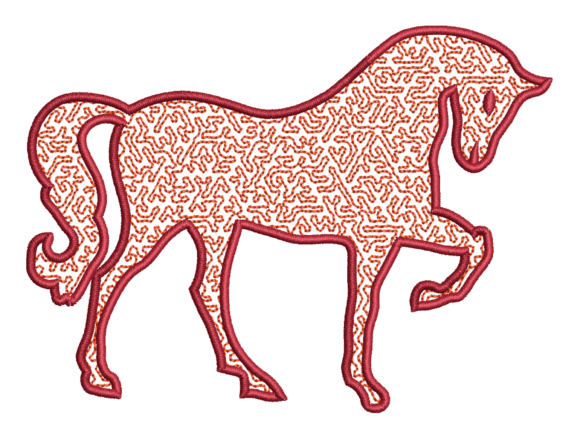
As an embroidery designer preparing for a weekend craft fair, my first assessment of any new machine embroidery design is whether it stops customers in their tracks. The Abstract Horse Embroidery file immediately distinguishes itself from traditional equestrian motifs. Instead of realistic portraits or cartoonish caricatures, this design leans into artistic interpretation. It feels modern, sophisticated, and slightly minimalist. For a booth display, this is a significant advantage. While realistic horse designs appeal to specific breed enthusiasts, an abstract aesthetic attracts a broader demographic, including art lovers, modern farmhouse decorators, and fashion-forward buyers who appreciate equine themes without the rustic cliché.
When evaluating this digital embroidery file, the artistic flow suggests movement and elegance rather than static detail. This makes it an excellent candidate for products that need visual impact from a distance. In a crowded market environment, clarity is currency. The bold lines and negative space inherent in abstract art allow the design to remain legible even when viewed from several feet away, which is crucial for drawing traffic to your table.
Best-Selling Applications for Craft Fair Booths
Determining where to place Abstract Horse Embroidery requires matching the design's mood with the right handmade product. Based on the artistic nature of this file, certain items will naturally outperform others in a retail setting.
- Tote Bag Design: This is likely your strongest seller. Canvas tote bags provide a flat, stable surface that showcases the artistic lines of an abstract horse perfectly. The large format allows the design to act as a focal point, turning a functional bag into a wearable piece of art.
- Tea Towel Embroidery: Flour sack towels or linen blends are ideal. The abstract style complements modern kitchen aesthetics better than busy, detailed scenes. Because tea towels are often purchased as gifts, the artistic ambiguity allows them to fit various home decor styles.
- Apron Embroidery: For boutique makers, placing this design on a denim or canvas apron creates a premium feel. Position the design on the chest pocket area or lower hem to create a subtle, high-end look that appeals to chefs and gardeners alike.
- Embroidered Patch: If the design has clean outer edges, converting it into a patch is a smart move for low-cost add-ons at your booth. Patches allow customers to buy into the aesthetic at a lower price point, increasing overall sales volume.
- Pillow Covers: Abstract art translates beautifully to home textiles. A single, centered placement on a neutral linen pillow cover elevates the perceived value of the item significantly.
Production Practicalities and Stitch Performance
Before listing this as a craft fair product, I must evaluate the technical production aspects. Abstract designs can be deceptive; they look simple but often require precise execution to maintain their intended shape. When reviewing the Abstract Horse Embroidery file, pay close attention to stitch density. Abstract art relies heavily on line work and fill balance. If the density is too high, the fabric may pucker, distorting the artistic flow. Conversely, if it is too sparse, the design may look cheap or unfinished on textured fabrics.
For Etsy seller workflows and batch production, repeatability is key. This design appears well-suited for hooping multiple items in succession because abstract shapes are generally more forgiving of minor alignment shifts than photorealistic faces. However, you must verify the hoop size requirements before purchasing. Since this is a digital download delivered in ZIP or RAR format, always extract and inspect the file properties to ensure it fits your machine’s maximum stitch field without needing resizing, which can alter stitch integrity.
Photographing abstract embroidery for online listings requires different lighting than traditional designs. Use natural, diffused light to highlight the texture of the stitches against the fabric. The interplay of thread sheen and matte fabric is part of the selling point. Create at least one real mockup rather than relying solely on software simulations. Customers buying commercial embroidery products want to see how the thread interacts with the material, especially for artistic pieces where texture contributes to the overall effect.
Critical Use Notes for Professional Results
Even the most beautiful embroidery file can fail if applied incorrectly. As a designer, I advise caution in the following areas when using Abstract Horse Embroidery:
- Fabric Texture: Avoid highly textured terry cloth or deep waffle weave unless the design includes a knockdown stitch. Abstract lines can get lost in the pile, ruining the visual continuity. Stick to smooth cottons, linens, denim, or canvas.
- Stabilizer Selection: Do not skimp on stabilization. Abstract designs often have open spaces that rely on the fabric remaining taut. Use a high-quality cut-away stabilizer for stretchy garments or tote bags to prevent distortion over time. For tea towels, a medium-weight tear-away or wash-away topper may be necessary to keep stitches crisp.
- Thread Colors: Abstract art is sensitive to color contrast. Test your thread colors on scrap fabric first. A tone-on-tone approach can look incredibly premium and modern, while high contrast emphasizes the graphic nature of the horse. Avoid variegated threads unless the design specifically calls for them, as random color changes can disrupt the intentional flow of abstract lines.
- Small Details: Check for tiny elements that might not stitch out cleanly at smaller sizes. If you plan to resize this digital embroidery file for caps or pockets, inspect the minimum stitch length. Reducing an abstract design too much can cause thread breaks or muddy details.
- Curved Surfaces: Be cautious when applying this to structured caps. Abstract lines that are meant to be fluid can appear warped on a curved brim. Flat brims or unstructured dad hats are safer choices for maintaining the design's geometry.
Maximizing Value and Brand Consistency
Incorporating Abstract Horse Embroidery into your inventory does more than just add another SKU; it signals to customers that your brand understands contemporary design trends. For small shop product lines, having a mix of traditional and modern offerings widens your net. This design serves as a bridge, attracting younger buyers or those seeking unique gifts while still satisfying equestrian enthusiasts looking for something fresh.
From a business perspective, remember that this is a digital asset. There are no returns or refunds for digital products, so your due diligence happens before purchase. Verify licensing terms to ensure you can sell finished goods commercially. Once confirmed, leverage the versatility of this design. Use it as a signature element across multiple product types to create a cohesive collection at your booth. When customers see the same artistic motif executed beautifully on a tote, a towel, and a pouch, it reinforces the quality and intentionality of your finished product line.
Finally, engage buyers by explaining the artistry. At a craft fair, customers love hearing about the process. Explain why you chose this abstract interpretation over a realistic portrait. Discuss the design assets and the thought behind the stitch direction. This narrative adds intangible value to the physical item, transforming a simple embroidered object into a meaningful piece of handmade art. By treating Abstract Horse Embroidery with professional respect and technical care, you position your business as a leader in modern embroidery craftsmanship.