Lemon Embroidery PNG: A Designer’s Merch Review
As a professional embroidery designer specializing in small business merchandise, I approach every new graphic asset with a critical eye for production viability. When evaluating the Lemon Embroidery PNG for commercial application, my primary focus is not just aesthetic appeal, but technical performance on fabric. This review analyzes this specific digital illustration from the perspective of creating branded patches, staff uniforms, and retail merchandise. For shop owners and apparel decorators, understanding how a high-resolution graphic translates into thread is the difference between a premium product and a production failure.
Visual Personality and Brand Identity Assessment
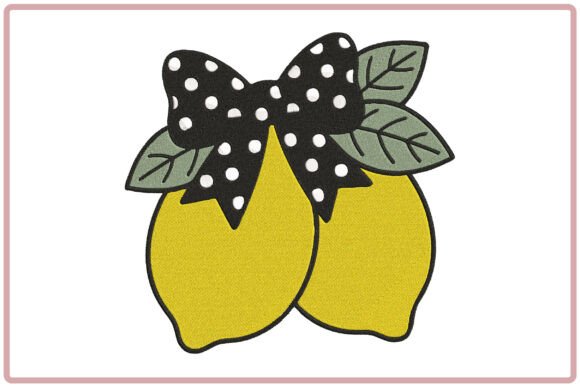
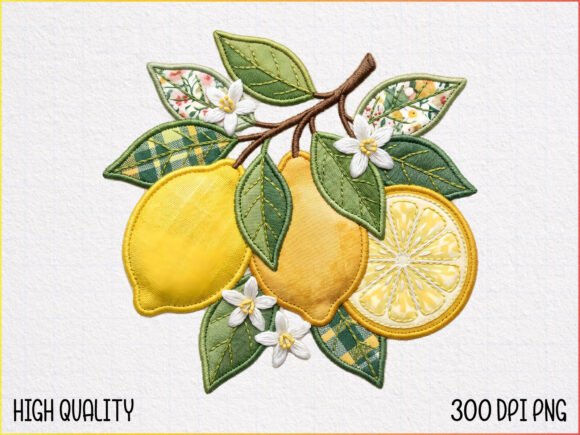
Upon first inspection, the Lemon Embroidery PNG presents a visual personality that balances freshness with artisanal charm. In the context of Illustrations and Graphics, citrus motifs often signal vitality, organic quality, and approachability. For a small business, this design communicates a friendly yet established brand identity. It avoids being overly juvenile, making it suitable for adult-oriented markets like boutique cafes, florists, or handmade skincare lines.
The 300 DPI resolution and transparent background are significant indicators of professional utility. A transparent background is non-negotiable for brand identity consistency, as it allows the lemon motif to sit cleanly against any garment color without unsightly white boxes. Visually, the design feels bold enough to serve as a primary logo accent but retains enough detail to function as a secondary mark on sleeves or tags. This versatility is essential for businesses building a cohesive visual system across multiple touchpoints.
Performance in Commercial Embroidery Applications
In real-world commercial embroidery scenarios, the Lemon Embroidery PNG demonstrates strong potential across various merchandise categories. As a source file for digitizing, its high resolution ensures that edges remain crisp when converted into stitches. Here is how this design performs in specific business applications:
- Embroidered Patches: The distinct shape of a lemon lends itself perfectly to merrowed edge patches. The solid fill areas typical in this style of illustration provide excellent coverage, resulting in a dense, durable patch that withstands washing.
- Apron Embroidery: For bakeries and bistros, this design works exceptionally well as a chest logo or pocket accent. The bright, cheerful nature of the graphic enhances the customer experience by reinforcing a fresh, clean atmosphere.
- Tote Bag Design: Canvas totes offer a stable surface for this motif. The design can be scaled up significantly without losing integrity, making it an ideal centerpiece for eco-friendly retail packaging or customer gifts.
- Cap Embroidery: While caps present challenges due to curvature, the compact nature of a lemon illustration allows for centered placement above the brim. It serves as an effective seasonal accent for staff uniforms.
- Etsy Branding: For sellers of handmade products, using this graphic on thank-you cards or packaging stickers creates a unified unboxing experience that bridges digital and physical assets.
Technical Constraints and Production Warnings
Despite its versatility, the Lemon Embroidery PNG requires careful handling during the digitization and production phases. Not every graphic translates seamlessly to thread, and business owners must be aware of specific limitations to avoid wasted materials.
Size and Detail Limitations
When reducing this design for small patch sizes or sleeve cuffs, fine details may become lost. If the original illustration contains intricate shading or thin outlines, these elements must be simplified during digitization. Tiny lettering accompanying the lemon should be avoided unless the final size exceeds three inches. For custom apparel like polo shirts, keep the design within a 3x3 inch area to prevent puckering and ensure readability.
Fabric Texture and Stabilizer Selection
The success of the Lemon Embroidery PNG depends heavily on the substrate. On textured fabrics like terry cloth or fleece, the design may sink into the pile. In these cases, a water-soluble topping is mandatory to keep stitches visible. Conversely, on lightweight performance wear, excessive stitch density can cause distortion. Digitizers must adjust underlay and pull compensation specifically for the target fabric. Always confirm the appropriate stabilizer type before running a full production batch.
Curved Surfaces and Hoop Size
For cap embroidery or curved seams, the design's aspect ratio matters. A tall, vertical lemon may distort on a cap front. It is often necessary to slightly widen or flatten the artwork during the digitizing process to compensate for the curve. Verify your machine’s hoop size capabilities; while the PNG is scalable, your hardware dictates the maximum physical dimensions.
Strategic Value for Small Business Merchandise
Integrating the Lemon Embroidery PNG into your product line offers tangible business value beyond simple decoration. High-quality embroidery signals permanence and care. Unlike screen printing which can crack or fade, an embroidered patch or direct stitch application maintains its integrity through industrial laundering, crucial for staff uniforms and hospitality linens.
Furthermore, consistent use of this design asset builds customer trust. When a client sees the same polished lemon motif on your website, your staff’s aprons, and your product packaging, it reinforces professionalism. For Etsy sellers and craft businesses, this visual consistency elevates the perceived value of handmade products. It transforms a simple item into a branded experience, encouraging repeat purchases and social media sharing. The design acts as a silent ambassador, communicating quality before a word is spoken.
Essential Designer Notes for Implementation
Before committing the Lemon Embroidery PNG to mass production, follow this professional checklist to ensure optimal results. These steps mitigate risk and guarantee that the final product meets commercial standards.
- Verify Software Compatibility: The product description explicitly states: "Please ensure your software" supports the file. Confirm your digitizing program can import high-res PNGs with transparency before purchase.
- Create a Printable Mockup: Never rely solely on screen visualization. Print the PNG at actual size on paper and pin it to the garment. This reveals true scale and placement issues that screens hide.
- Test Thread Colors: Digital RGB colors do not match polyester or rayon threads perfectly. Create a physical color chart comparison. Ensure the yellow hue contrasts sufficiently against your chosen uniform or merch color.
- Run a Sew-Out Test: Always stitch a sample on the exact fabric you intend to use. Inspect for registration errors, gaps, or excessive density. Adjust tension and stabilizer based on this test.
- Check Licensing: While this is a digital embroidery file source, confirm the commercial licensing terms. Ensure you have the right to use the design on items for sale or paid services.
- Compare Beside Other Assets: Place the lemon design next to your existing logos and typography. Ensure the stroke weight and style align with your broader brand guidelines.
- Inspect Spacing: If adding text below the lemon, maintain adequate clearance. Crowded designs look unprofessional and are difficult to read from a distance.
The Lemon Embroidery PNG represents a valuable asset for businesses seeking to enhance their merchandise with a touch of organic vibrancy. By treating this graphic as a technical blueprint rather than mere clip art, and by adhering to rigorous testing protocols, small business owners can transform this digital illustration into a powerful tool for brand recognition and customer engagement. Whether applied to a barista’s apron or a boutique tote bag, the key to success lies in respecting the intersection of digital design and textile reality.