Camp Life Embroidery Design: A Maker’s Review
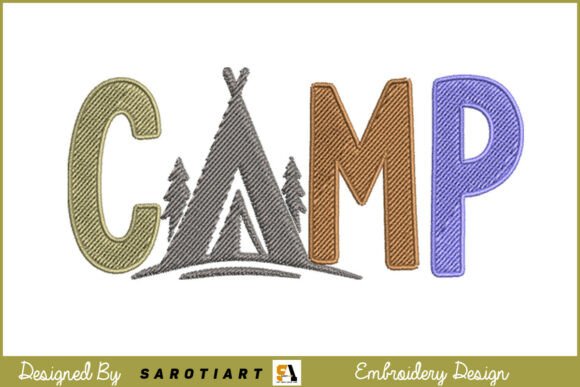
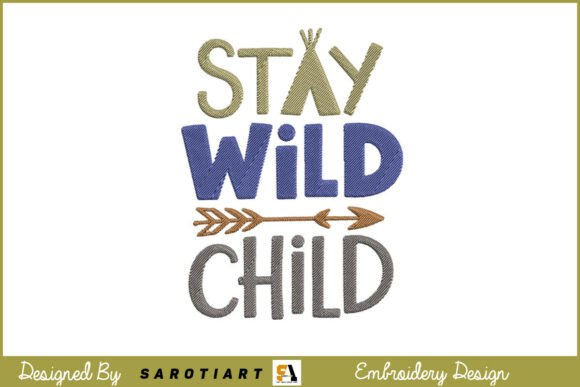
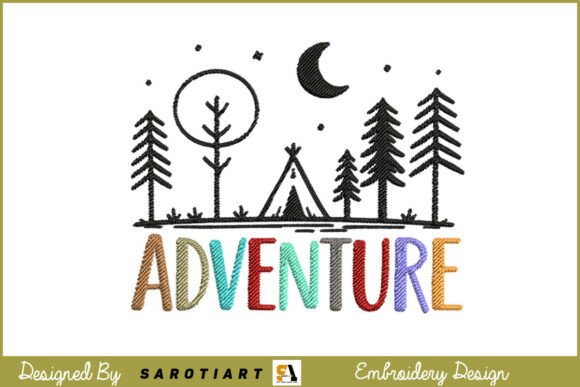
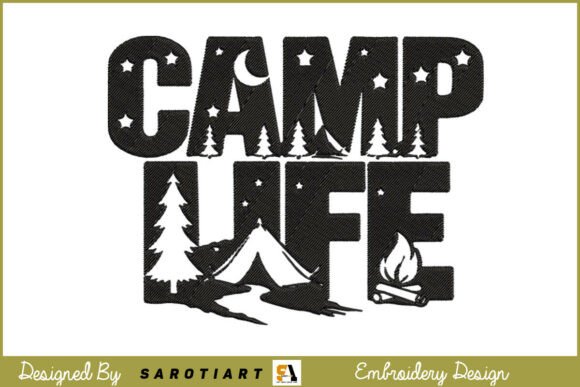
As an embroidery designer who has stitched out hundreds of camping-themed files for both personal enjoyment and client commissions, I approach every new machine embroidery design with a critical eye. When evaluating the Camp Life Camping Embroidery Design, my first impression was immediately positive regarding its versatility. The aesthetic strikes a delicate balance between rustic nostalgia and clean, modern line art. Unlike overly complex landscape scenes that can become muddy on fabric, this design utilizes negative space effectively. It evokes a sense of calm adventure rather than chaotic detail, making it an excellent candidate for projects where readability and texture are paramount.
The "Love Hands Line Art" component mentioned in the product description suggests a stylistic choice that favors running stitch or lighter satin elements over heavy fill areas. From a production standpoint, this is a significant advantage. Designs with excessive density can cause puckering on lightweight fabrics or create bulletproof patches on apparel. This design appears to respect the fabric's drape, which is essential when creating wearable custom apparel or soft goods like tea towels. The mood is inviting and gender-neutral, allowing it to transition seamlessly from kids' clothing to adult boutique merchandise without feeling juvenile or overly masculine.
Real-World Application: Stitching a Canvas Tote
To truly understand how this embroidery file performs, I mentally walked through a recent project scenario: creating a branded canvas tote bag for a local outdoor gear pop-up shop. Canvas is a forgiving but textured substrate that demands specific considerations. When applying the Camp Life Camping Embroidery Design to a 12oz cotton canvas tote, the line art style shines because it doesn't fight the fabric texture.
In this real-life application, I would position the design centrally, approximately four inches down from the top seam. Because line art relies on precision, I would use a medium-weight cutaway stabilizer rather than tear-away to prevent any shifting during the stitch-out. The result is a crisp, professional finish that looks intentional rather than stamped on. For an Etsy seller or small business owner, this specific application demonstrates high perceived value. Customers associate clean stitching on natural fibers with quality craftsmanship. Furthermore, because the design isn't overwhelmingly dense, the production time per bag remains low, protecting your profit margins while delivering a premium handmade product.
Best Use Cases for Commercial and Personal Projects
Beyond tote bags, this design exhibits strong potential across various categories. Based on the visual weight and theme, here is where I see it performing best:
- Sweatshirt Embroidery: Placed on the left chest or centered on a crewneck, the design adds a cozy, vintage camp vibe. The lighter stitch count prevents the garment from becoming stiff.
- Baby Embroidery: The line art aesthetic is gentle enough for nursery decor or baby blankets. However, always ensure the back of the embroidery is covered or smooth to protect sensitive skin.
- Holiday Embroidery: This serves as an excellent non-traditional holiday gift for the outdoorsy friend or family member who prefers practical gear over seasonal clutter.
- Signage and Decor: Stitched onto burlap or linen for wall hangings, the design acts as effective cabin decor.
- Digital Product Previews: For sellers of design assets, this file likely mocks up beautifully due to its distinct silhouette, making it easier to create attractive printable mockup listings.
Navigating Fabric Challenges and Technical Limits
While the Camp Life Camping Embroidery Design is versatile, no file is immune to physics. As a reviewer, I must highlight where caution is necessary. Line art designs are unforgiving on unstable fabrics. If you attempt this on a stretchy knit t-shirt without proper stabilization, the lines may distort or wave. Always use a fusible mesh or poly-mesh stabilizer for knits to maintain the integrity of the embroidery project.
Dark fabrics present another consideration. Line art often relies on contrast. If stitching white thread on black fabric, verify that the thread colors provide sufficient visibility. Sometimes, adding a subtle underlay or choosing a variegated thread can add depth that solid colors lack on dark backgrounds. Additionally, be mindful of hoop size. While the description mentions it fits various projects, resizing line art too small can cause thread breaks or loss of detail, while sizing it too large may expose gaps in the stitching path. Always check the digitizer’s recommended minimum and maximum sizes before altering the file.
For those considering this as an applique design element, assess whether the outlines are suitable for holding raw edges. Not all line art is digitized with applique stops. If it is purely decorative stitching, treat it as such. Attempting to force an applique workflow onto a standard line art file will result in frustration and wasted materials.
Professional Notes for Makers and Sellers
Before listing a finished product featuring this design or selling the digital file itself, adhere to these professional best practices:
- Test Stitch First: Never run a new design directly on a sellable item. Test on scrap fabric that matches your final substrate to check tension and registration.
- Verify Licensing: The product description highlights usage for kids' clothing and signs, but you must confirm the specific commercial license terms. Can you sell the physical embroidered items? Can you include it in a bundle? Protect your craft business by reading the fine print.
- Check Stitch Density: Inspect the file in your software. If the stitch density seems too high for sheer fabrics, consider reducing it or using a lighter stabilizer.
- Mockup Realistically: When creating listings, avoid over-saturated digital renders. Show the design on actual fabric textures so buyers understand the scale and feel of the embroidered patch or accent.
- Color Contrast Testing: View your test stitch in black and white. If the design disappears or becomes hard to read without color, the contrast values need adjustment for broader market appeal.
Elevating Brand Value Through Thoughtful Design
Ultimately, the Camp Life Camping Embroidery Design succeeds because it understands its audience. In the saturated market of outdoor-themed goods, clarity wins. This design offers a sophisticated alternative to cartoonish bears or generic pine trees. For small shop product lines, consistency is key. This design pairs well with minimalist typography and earth-tone palettes, helping to build a cohesive brand identity.
Whether you are a hobbyist making a personalized gift for a scout leader or a commercial embroidery business fulfilling a bulk order for a campground, this file provides a reliable foundation. Its strength lies in its adaptability. By respecting the technical requirements of line art and pairing it with appropriate substrates, you transform a simple digital file into a tangible asset that customers trust and cherish. Remember, the quality of your finished product reflects not just the design, but your expertise in executing it. Take the time to test, stabilize correctly, and choose your placement wisely, and this camping design will undoubtedly become a staple in your creative repertoire.