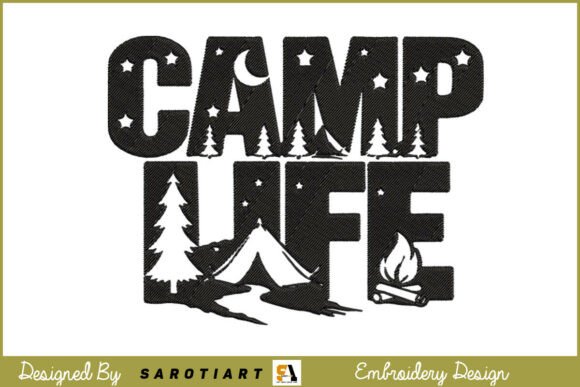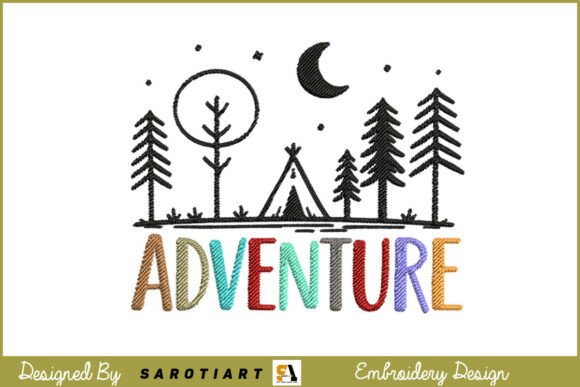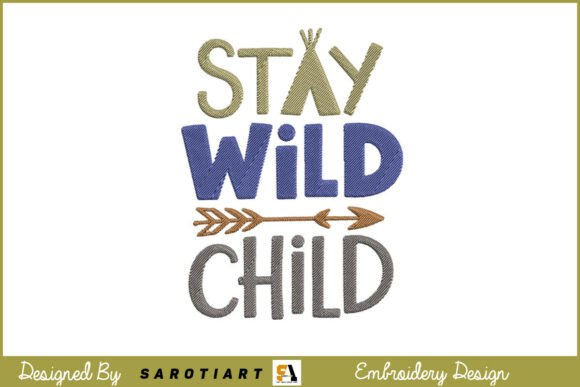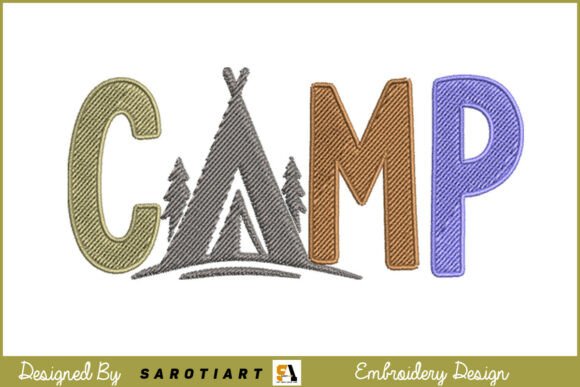
Camp Themed Camping Embroidery Design Review
As a professional embroidery designer who spends countless hours testing files before they ever touch a customer’s garment, I approach every new machine embroidery design with a healthy dose of skepticism. We have all downloaded files that look perfect on screen but turn into thread nests or distorted shapes once the needle hits the fabric. When evaluating this Camp Themed Camping Embroidery Design, specifically the Love Hands Line Art variation, my primary focus is on how the digitizing translates to real-world texture and durability. This is not just about cute aesthetics; it is about whether this embroidery file can withstand the rigors of commercial production and personal wear without frustrating the maker or disappointing the end user.
First Impressions: Line Art Versus Stitch Reality
The visual personality of this design leans heavily into the popular minimalist line art trend. On a digital mockup, the "Love Hands" concept combined with camping motifs feels airy, modern, and nostalgic. However, as an experienced stitcher, I immediately look for how those continuous lines are digitized. In a true line art style, the success of the embroidery project hinges entirely on the precision of the running stitch or satin stitch columns. If the pathing is inefficient, your machine will spend more time jumping than stitching, increasing the risk of tension issues. Upon reviewing the structure of this Camp Themed Camping Embroidery Design, the layout suggests a balanced composition that avoids excessive density in small areas, which is a critical factor when stitching on lightweight fabrics like baby clothes or thin t-shirts.
The mood created here is versatile. It strikes a balance between playful and rustic, making it suitable for both kids’ apparel and adult outdoor gear. For an Etsy seller or small shop product creator, this versatility is gold. You are not pigeonholed into selling only toddler items; the same design assets can elevate a canvas tote bag or a denim jacket patch. The key takeaway from the initial assessment is that this design respects the medium of embroidery rather than trying to force a complex illustration into thread, which often leads to stiff, bulletproof results.
Real-World Application: The Custom Tote Bag Test
To truly judge performance, I mentally simulate a specific production scenario. Let us consider creating a custom embroidered tote bag for a summer camp fundraiser or a boutique retail listing. Canvas and heavy cotton twill are textured fabrics that can swallow fine details. When applying this Camp Themed Camping Embroidery Design to a tote, the line art elements must be substantial enough to stand out against the weave of the fabric.
In this real-life application, the design serves as a focal point without overwhelming the utility of the bag. Because the description highlights its use on tote bags and signs, I expect the digitizer has accounted for slight fabric shift. When stitching on canvas, using the correct stabilizer is non-negotiable. A cut-away stabilizer provides the necessary foundation to keep those love hand lines crisp. If the design were too dense, it would cause the tote fabric to pucker around the edges. Fortunately, the line art nature of this file generally implies a lighter stitch count, allowing the natural drape and texture of the bag to remain intact. For a handmade product, this preservation of fabric character is what separates professional work from amateur crafting.
Navigating Fabric Limitations and Hoop Constraints
While this design is marketed as a perfect accent for various projects, practical judgment requires us to acknowledge where caution is needed. Not all substrates are created equal. If you plan to use this Camp Themed Camping Embroidery Design on stretchy knitwear like sweatshirts or performance tees, you must verify the stitch density. Line art on knits can sometimes tunnel if the fabric is not adequately stabilized or if the stitches are too tight. Always test on a scrap of the exact garment material first. The interaction between thread tension and fabric stretch is unique to every batch of blanks.
Furthermore, consider the hoop size limitations. While the design likely comes in multiple sizes, resizing line art requires care. Reducing a line art design too much can cause satin stitches to become thinner than the needle width, leading to breaks or disappearing stitches. Conversely, enlarging it significantly might reveal gaps in the column width if the original digitizing was not parametric. For detailed corners or tiny lettering within the camping theme, avoid placing the design over seams, pockets, or zippers. These uneven surfaces create height differentials that distort registration. If you are making caps or curved surfaces, ensure you have a specialized cap frame and that the design height fits within the safe stitch area of your specific machine cylinder.
Dark Fabrics and Contrast Considerations
Visual appeal changes drastically based on background color. Line art relies on contrast for definition. On dark fabrics like navy or forest green, standard white or cream threads pop beautifully, enhancing the camping aesthetic. However, if you choose low-contrast thread colors for a subtle tone-on-tone look, verify that the stitch type provides enough sheen to catch the light. A matte thread on a matte dark fabric might render the Camp Themed Camping Embroidery Design invisible in photos or dim lighting. For commercial embroidery intended for sale, high-contrast versions typically photograph better for printable mockups and online listings, driving higher buyer engagement.
Commercial Viability for Makers and Sellers
For creative entrepreneurs, time is money. A well-digitized file reduces thread breaks, trims, and re-hooping, directly impacting profit margins. This Camping Embroidery Designs collection appears optimized for efficiency, but you must confirm licensing terms before selling finished products. Never assume a purchase includes commercial rights for mass production or digital resale. Checking these legal parameters protects your craft business from future liability.
From a branding perspective, consistency builds trust. Using this design across a cohesive product line—matching baby embroidery onesies with sibling sweatshirt embroidery and parent tote bag designs—creates a recognizable collection. Customers value this coordination. The "Love Hands" element adds an emotional hook that generic tent or tree icons lack, making it an excellent choice for personalized gifts or holiday merchandise. When presenting this to clients, emphasize the sentimental connection alongside the technical quality. High-quality stitching on a meaningful design justifies premium pricing far better than a technically perfect but emotionally hollow graphic.
Essential Pre-Stitch Checklist for Success
Before loading this digital embroidery file into your machine for a final product, run through this practical checklist derived from years of troubleshooting:
- Verify File Compatibility: Ensure the format matches your machine brand and that no corruption occurred during transfer.
- Check Stitch Count and Density: Compare the specs against your fabric weight. Adjust pull compensation settings in your software if stitching on thick fleece or towels.
- Test Thread Colors: Physical thread looks different than screen RGB values. Stitch out a color chart on your target fabric to confirm the palette evokes the intended camping mood.
- Stabilizer Selection: Match the backing to the fabric stability. Use tear-away for stable wovens and cut-away for knits or stretchy materials.
- Mockup Validation: Create black and white previews to check value contrast independent of color. This ensures the design reads clearly at thumbnail size for Etsy or social media.
- Licensing Confirmation: Re-read the vendor’s terms regarding finished product sales versus digital file redistribution.
Ultimately, the Camp Themed Camping Embroidery Design offers a strong foundation for both hobbyist enjoyment and professional application. Its success in your hands depends on respecting the technical requirements of the medium. By treating this file as a component of a larger manufacturing process rather than a magic button, you ensure that every custom apparel piece, embroidered patch, or nursery decor item meets the high standards your customers expect. Trust your instincts, test thoroughly, and let the quality of your craftsmanship shine through the digital design.