Berry Cute Embroidery Design: A Maker’s Review
First Impressions: Sweet, Playful, and Market-Ready
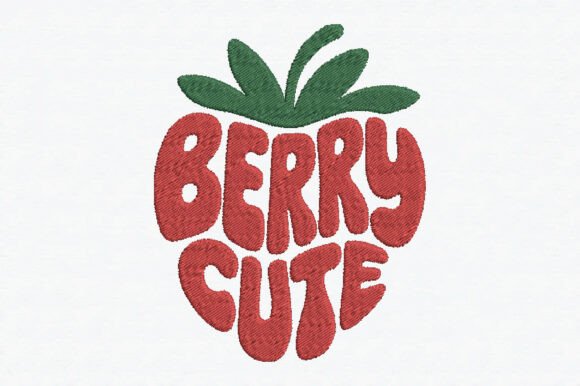
As an embroidery designer preparing for a busy weekend craft fair, my first priority is always assessing whether a machine embroidery design will translate from a digital screen to a physical product that customers actually want to touch and buy. When I loaded the Berry Cute Embroidery Design into my software, the immediate impression was one of cheerful nostalgia mixed with modern trendiness. The strawberry-inspired typography with a leafy top strikes a perfect balance; it is undeniably cute without feeling juvenile. For a Summer market booth, this aesthetic is gold. It feels fresh, organic, and lighthearted, which aligns perfectly with the seasonal mindset of shoppers looking for bright, happy additions to their homes and wardrobes.
The design reads as "farmhouse chic" meets "kawaii," making it versatile enough for both rustic kitchen goods and trendy personal accessories. From a production standpoint, the integration of the fruit shape into the lettering suggests a smart use of space. This isn't just text; it is an illustration. For an Etsy seller or boutique maker, this distinction matters because it elevates the perceived value of the finished product. It looks like custom art rather than generic clip art, which is essential for justifying premium pricing at handmade markets.
Best Selling Applications for Craft Fair Booths
When planning my table display, I have to be strategic about where to place specific designs. Not every embroidery file works on every substrate. Based on the playful nature and likely stitch structure of the Berry Cute Embroidery Design, here is how I would prioritize production for maximum sales potential:
- Tea Towel Embroidery: This is arguably the strongest application. Flour sack towels or waffle-weave cotton provide a smooth canvas for detailed typography. The berry theme naturally complements kitchenware, making these instant sellers for housewarming gifts or summer hostess presents.
- Tote Bag Design: Canvas totes are craft fair staples. This design serves as an excellent focal point for a natural cotton tote. Because the design is described as fun and trendy, it appeals to the demographic that uses reusable market bags as fashion statements. Ensure the placement is centered and high enough to remain visible when the bag is carried.
- Apron Embroidery: For a cohesive booth display, pairing tea towels with matching aprons creates a higher average order value. The leafy top element of the typography would look charming positioned over the heart or centered on the bib of a denim or linen apron.
- Embroidered Patches: If you have leftover fabric scraps, this design is ideal for creating standalone patches. These serve as low-cost impulse buys at the front of your booth or as add-ons for customers purchasing larger items.
While caps are popular, I would approach them with caution unless the design has been specifically digitized for curved surfaces. Typography can distort on the severe curve of a hat brim. Always verify the hoop size and cap-specific formatting before committing to batch production for headwear.
Production Practicalities and Stitch Performance
A beautiful design on screen means nothing if it causes headaches during production or fails to hold up after washing. As a professional reviewing this for commercial output, I am looking at several technical factors. The description mentions "strawberry-inspired typography," which implies filled stitches within the letters. I need to check the stitch density carefully. If the fill is too dense, it will cause puckering on lighter fabrics like tea towels or result in a stiff, bulletproof patch on a tote bag. Conversely, if it is too sparse, the fabric texture might show through unattractively.
For small shop product creators, repeatability is key. Does this design run consistently across different hooping sessions? I recommend running a test sew-out on the exact fabric texture you intend to sell. If you are using textured terry cloth for towels, you may need to adjust the underlay or use a water-soluble topping to prevent the stitches from sinking into the pile. Clarity is paramount; the leafy details and typographic curves must remain crisp. If the smallest elements disappear on a textured surface, resize the design upward or switch to a smoother fabric base.
Photographing this design requires attention to lighting. Because it is a summer-themed piece, natural daylight photography will enhance the vibrancy of the thread colors. Avoid harsh shadows that obscure the dimensional quality of the embroidery. For online listings, a printable mockup can help visualize placement, but nothing replaces a photo of the actual stitched sample. Customers need to see the sheen of the thread and the texture of the stitches to trust the quality of your handmade product.
Critical Considerations for Commercial Success
Before listing any item featuring the Berry Cute Embroidery Design, there are non-negotiable checks every creative entrepreneur must perform. First and foremost, confirm the licensing terms of the digital embroidery file. Just because you purchased the file does not automatically grant unlimited commercial rights for finished products. Verify if there is a cap on the number of units you can sell or if you need a separate commercial license for high-volume production. Protecting your business starts with respecting intellectual property.
Next, evaluate your color palette. While the design is strawberry-inspired, consider offering variations that suit different tastes. A classic red and green is timeless, but a pastel pink and sage green version might appeal to a softer, nursery-aesthetic buyer. Testing thread colors against various fabric backgrounds is essential. Dark fabric requires a different strategy than light fabric; ensure there is sufficient contrast so the leafy top doesn't get lost against a navy or black background.
Finally, do not skip the stabilizer test. Using the wrong stabilizer is the fastest way to ruin a profitable batch. For stretchy knits or lightweight summer apparel, a cut-away stabilizer is often necessary to maintain registration. For woven cottons like tea towels, a tear-away might suffice. Document what works for this specific design so your future production runs are faster and more consistent. By treating the Berry Cute Embroidery Design with professional scrutiny rather than casual hobbyist enthusiasm, you transform a cute graphic into a reliable revenue stream for your embroidery business.