Lemon Coquette Bow Embroidery: A Designer Review
As an embroidery designer constantly curating collections for small boutique brands, I am always on the lookout for digital assets that bridge the gap between trending aesthetics and commercial viability. The current "coquette" trend has dominated social media feeds, but translating this delicate style into durable apparel requires careful selection. When evaluating the Lemon Coquette Bow Embroidery design for an upcoming summer sweatshirt drop, my primary focus is not just on how cute it looks on screen, but how it performs as a finished product on premium garments. This review breaks down the practical application of this machine embroidery design for Etsy sellers, apparel decorators, and creative entrepreneurs looking to elevate their custom apparel offerings.
First Impressions: Balancing Zest and Femininity
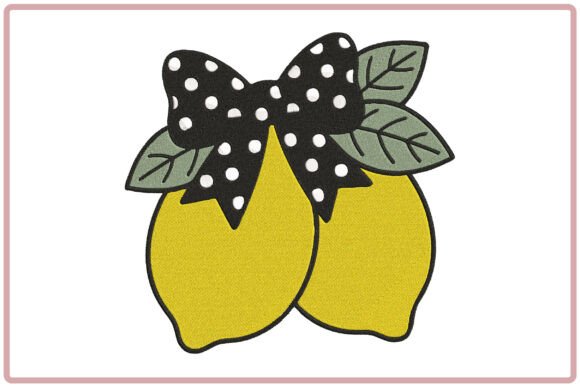
The initial appeal of the Lemon Coquette Bow Embroidery lies in its distinct mood. It successfully merges two contrasting vibes: the rustic, fresh energy of citrus fruit with the hyper-feminine, vintage charm of a bow. In the world of boutique fashion, this juxtaposition is gold. It prevents the design from feeling too juvenile or overly saccharine. The description highlights vibrant yellow lemons topped with a chic black accent, which immediately suggests high contrast. For a designer, this contrast is crucial. It ensures readability from a distance, a non-negotiable factor for lifestyle photography and retail visibility.
Visually, the layout appears balanced for chest placement. Unlike sprawling back designs, this composition feels compact enough for left-chest branding on oversized hoodies yet detailed enough to stand alone as a center-chest motif on lighter summer tops. The stitching personality seems to lean toward a mix of satin stitches for the bow’s sheen and fill stitches for the lemon texture. This variety in stitch types adds depth, preventing the handmade product from looking flat or mass-produced. For a small shop product, this level of visual interest signals quality to the buyer before they even touch the fabric.
Technical Evaluation for Sweatshirt Embroidery
A pretty file does not always equal a successful garment. When preparing this embroidery file for production on fleece and French terry, several technical factors come into play. Sweatshirt embroidery presents unique challenges due to the fabric texture and pile. The stitch density must be sufficient to prevent the fabric from showing through the yellow lemons, but not so dense that it causes puckering or creates a bulletproof patch on cozy material.
For this specific design, I would recommend testing on a scrap piece of your intended garment first. Because the design features a black element against yellow lemons, registration is key. If the machine embroidery design is digitized with proper underlay and pull compensation, the black accents should sit cleanly atop or beside the fruit without gaps. However, if you are working with a thick, plush hoodie, you may need to adjust your stabilizer choice. A medium-weight cutaway stabilizer is typically best for knit fabrics to maintain shape during washing. Using a tear-away on a sweatshirt often leads to distortion after the first laundry cycle, which can damage buyer trust and brand reputation.
Furthermore, consider the hoop size relative to the design dimensions. While we want to maximize efficiency, using a hoop that is significantly larger than the Lemon Coquette Bow Embroidery can sometimes lead to shifting on stretchy fabrics. Ensuring the fabric is hooped with the correct tension—snug but not stretched—is vital for maintaining the crispness of those chic bows. Always verify the specific hoop size requirements and stitch count in your digital embroidery file documentation before committing to bulk production.
Styling for Boutique Collections and Brand Identity
Versatility is what makes an embroidery design profitable for a boutique brand. This design is not limited to a single aesthetic. On a cream or oatmeal-colored sweatshirt, the Lemon Coquette Bow Embroidery reads as soft, vintage, and nostalgic, perfect for customers seeking that curated thrift-store vibe. Conversely, placing this same design on a stark white or pale blue tee creates a crisp, preppy summer look that appeals to a different demographic segment.
For Etsy sellers, this adaptability allows for multiple listings from a single design asset. You can create a cohesive collection where the design serves as the anchor. Imagine offering this as a standard chest logo on crewnecks, but also utilizing it as a sleeve accent near the cuff on long-sleeve tees. The feminine nature of the bow makes it particularly effective for women’s and girls’ apparel, but the bold citrus element keeps it grounded enough for unisex marketing if styled correctly. When creating printable mockup previews, ensure the lighting captures the sheen of the thread colors. Digital mockups often fail to convey the tactile reality of embroidery; showing a photo of the actual stitched sample builds significantly more confidence than a flat digital rendering.
Commercial Viability and Customer Engagement
In the competitive landscape of custom apparel, perceived value dictates pricing. A well-executed Lemon Coquette Bow Embroidery elevates a blank sweatshirt from basic merchandise to a desirable fashion piece. Customers are currently fatigued by generic print-on-demand graphics; they crave the tangible quality of commercial embroidery. The intricate detail of a coquette bow implies labor and care, justifying a higher price point than screen-printed alternatives.
However, durability is part of that value proposition. Before launching, wash-test your samples. Does the black accent bleed onto the yellow lemons? Does the stabilizer remain stiff after washing, or does it soften nicely with the garment? These details matter immensely for repeat business. A design that distorts or unravels will result in negative reviews that no amount of marketing can fix. Ensure your thread colors are colorfast and suitable for the garment's care instructions.
From a branding perspective, this design offers excellent visual recognition. The specific combination of lemon and bow is trendy now but distinct enough to become associated with your specific shop if used consistently. It works beautifully for seasonal drops, capsule collections, or even as a signature logo alternative for makers who want something more decorative than text. For creative entrepreneurs selling at markets, having a physical sample of this design stitched out allows customers to see the texture and scale, which is often the deciding factor in converting a browser into a buyer.
Final Considerations for Production
Before adding the Lemon Coquette Bow Embroidery to your permanent catalog, treat it as a test case for your production workflow. Verify that the digital embroidery file format is compatible with your specific machine setup. Check the license terms to ensure you have the rights for commercial use on physical products, especially if you plan to scale beyond small batches. Remember that while the design description mentions vibrant yellows and chic blacks, thread brands vary. Create a physical color chart to match your specific thread inventory to the design’s intent, ensuring the "zest" translates accurately from screen to fabric.
Ultimately, this design represents a strong opportunity for small businesses to tap into current trends without sacrificing craftsmanship. By paying attention to stabilizer selection, fabric compatibility, and styling versatility, you can transform this digital file into a best-selling staple. Whether you are an established apparel decorator or a new Etsy seller, approaching this design with a professional, critical eye will ensure your final product resonates with customers and stands the test of both fashion cycles and washing machines.