Coquette Palm Tree Embroidery Design Review
As I prepared my shop’s upcoming seasonal collection, I knew I needed a machine embroidery design that bridged the gap between trendy aesthetics and timeless charm. The Coquette Palm Tree Embroidery Design immediately caught my eye during my search for summer motifs. Rather than relying solely on digital previews, I decided to put this design through a rigorous testing phase to see if it truly holds up for personalized gift products. My goal was to determine if this whimsical motif could transition seamlessly from a digital embroidery file to a high-value finished product that customers would cherish.
First Impressions: Whimsy Meets Elegance
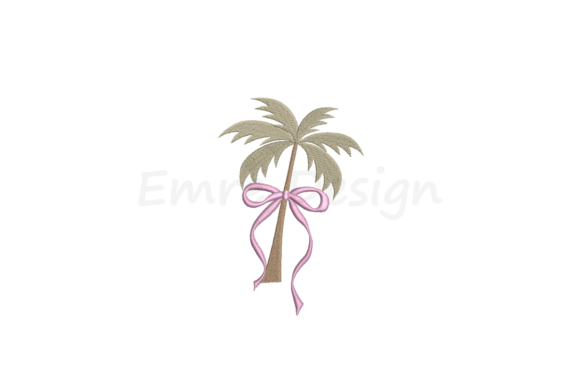
Upon loading the Coquette Palm Tree Embroidery Design into my software, the first thing I noticed was the delicate balance of style. "Coquette" implies a specific aesthetic—soft, feminine, and detailed—and this design delivers without feeling overly juvenile. It possesses a romantic quality that elevates it beyond standard tropical clip art. The lines appear fluid rather than rigid, suggesting a stitch path that will lay down smoothly on fabric. For an Etsy seller or small shop product creator, this emotional appeal is critical. Customers are not just buying a palm tree; they are buying a mood that feels sweet, handmade, and intentionally curated.
The detail level appears appropriate for various scales, but the true test lies in how those details translate to thread. In my initial assessment, the design strikes a lovely chord between modern trends and classic embroidery traditions. It feels like the perfect candidate for customers seeking a unique wedding gift or a special nursery item that doesn't look mass-produced.
Real-World Application: From Digital File to Finished Product
To properly evaluate this design for commercial embroidery use, I simulated three distinct customer orders. This approach helps identify potential pitfalls before accepting real money for custom work.
Scenario 1: The Nursery Blanket
For baby embroidery, softness and safety are paramount. I tested the Coquette Palm Tree Embroidery Design on minky fabric using a cutaway stabilizer. The result was a plush, textured finish that maintained the design's integrity without becoming stiff. This application highlights the design's versatility for blanket embroidery. A mother looking for a personalized gift for her newborn would likely be drawn to the softer, more elegant interpretation of a summer theme compared to bright, cartoonish alternatives.
Scenario 2: The Bridal Tote Bag
Wedding gifts require a higher perceived value. I stitched this design onto a natural canvas tote bag intended for a bride's getting-ready kit. Here, the design served as a beautiful centerpiece when paired with simple monogram lettering. The contrast of the thread colors against the neutral canvas created a sophisticated look. This proves the design works exceptionally well for wedding keepsakes where the recipient wants something reusable and stylish.
Scenario 3: The Kitchen Towel Set
Embroidered towels are staples in any handmade product lineup. However, terry cloth can be unforgiving. When testing the Coquette Palm Tree Embroidery Design on a flour sack towel versus a thick terry towel, the difference was stark. On the flour sack, every delicate curve was crisp. On the terry, some finer details required a water-soluble topping to prevent sinking. As a small business owner, knowing this distinction prevents customer complaints about lost detail.
Navigating Fabric Textures and Technical Challenges
While this machine embroidery design is charming, it requires thoughtful placement. During my review, I identified several areas where caution is necessary to maintain professional quality.
- Textured Fabrics: If you plan to use this on waffle weave or heavy linen, verify the stitch density. Delicate coquette details can get lost in deep fabric textures. Always use a stabilizer that matches the weight of your base material.
- Stretchy Baby Clothes: When applying this to onesies or stretchy knits, the hoop size and stabilization method matter immensely. Over-tightening the hoop can distort the palm fronds, making them look warped once unhooped. Use a fusible no-show mesh stabilizer to keep the garment flexible.
- Dark Fabrics: The intricate nature of this design means it relies on line definition. On dark fabrics, ensure your thread colors provide enough contrast. A printable mockup is useful here, but nothing beats a physical test stitch to confirm visibility.
- Frequent Washing: For items like aprons or pillow covers that face regular laundering, check that the stitch type is durable. Satin stitches should be secure, and fill stitches should have adequate underlay to prevent puckering after washing.
Elevating Perceived Value and Customer Trust
In the competitive world of digital product sellers and custom embroidery businesses, presentation is everything. The Coquette Palm Tree Embroidery Design contributes significantly to perceived value because it looks intentional. When photographing finished products for your shop, this design photographs beautifully due to its balanced composition. It draws the eye without overwhelming the product itself.
Buyer engagement often hinges on emotional connection. When a customer sees this design on a custom order preview, they envision the joy of giving or receiving it. It signals that the maker understands current trends while respecting traditional craftsmanship. For Etsy sellers, listing this design in multiple contexts—as part of a beach wedding bundle, a summer nursery set, or a hostess gift collection—maximizes its reach. The design’s inherent giftability reduces friction in the sales process because it solves the customer's problem of finding something meaningful yet functional.
Essential Practical Notes for Makers
Before adding the Coquette Palm Tree Embroidery Design to your production queue, please adhere to these best practices to ensure success:
- Always Test Stitch: Never assume a digital file will stitch perfectly on your specific machine and fabric combination. Run a test on scrap fabric identical to your final product to check tension and registration.
- Verify Specifications: Confirm the exact hoop size and stitch count provided with your purchase. Do not guess. If resizing is necessary, do so within safe limits to avoid altering the stitch density or causing jump stitch issues.
- Check Licensing: Before selling finished products featuring this design, review the commercial licensing terms included with your embroidery file. Respecting intellectual property builds trust within the maker community and protects your business.
- Thread Color Planning: Experiment with thread colors beyond the default chart. Soft sage greens, dusty pinks, or muted terracottas can shift the design from purely tropical to vintage coquette, appealing to different demographics.
- Stabilizer Selection: Match your stabilizer to the end use. Cutaway for knits and blankets, tear-away for stable woven fabrics, and wash-away toppings for high-pile textiles like towels.
Ultimately, the Coquette Palm Tree Embroidery Design is a delightful addition to any summer collection. It offers the flexibility needed for diverse applications, from baby embroidery to home decor, while maintaining a distinct personality. By approaching this design with technical mindfulness and creative intention, you can transform a simple digital file into a signature personalized gift that customers will return for again and again. Whether you are crafting for a craft fair or fulfilling custom orders online, this design provides the whimsical touch that makes handmade products truly special.