Snail Machine Embroidery Design Review
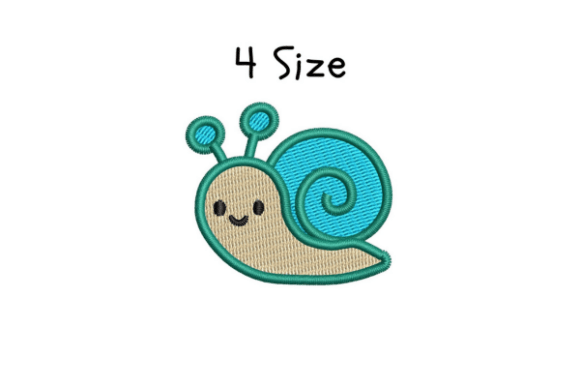
As an embroidery designer specializing in commercial branding and small business merchandise, I approach every new digitization file with a critical eye for production viability. When evaluating the Snail Machine Embroidery Design, specifically the Tiny Teal Snail variant, my primary focus is not just its aesthetic appeal but its functional performance across various branded goods. This design features a vibrant teal and sky-blue spiral shell, originally categorized under Nursery themes. However, from a professional standpoint, this motif offers significant potential for creative studios, bakeries, florists, and eco-conscious brands seeking a friendly, organic visual identity. The following review assesses how this machine embroidery design translates from a digital concept to a profitable, high-quality finished product.
Visual Personality and Brand Identity Alignment
The first impression of the Snail Machine Embroidery Design is one of approachable professionalism. While the description highlights it as "adorable" and suitable for nursery items, the color palette of teal and sky blue allows it to transcend children’s wear. For a small business, these colors suggest calmness, growth, and reliability. In the context of brand identity, a snail symbolizes patience, attention to detail, and a "slow and steady" commitment to quality. This makes the design exceptionally relevant for handmade product businesses where craftsmanship is valued over speed.
When reviewing the artwork for commercial embroidery, I look for clean lines and distinct color separation. The spiral shell described in this design provides a natural focal point that can anchor a logo or stand alone as a recognizable icon. For Etsy sellers or boutique owners, this level of visual specificity helps create immediate recognition. Unlike generic clip art, a stylized snail with specific teal and blue tones becomes a proprietary asset when used consistently across custom apparel and packaging.
Performance Across Commercial Merchandise Applications
A versatile embroidery file must perform well on diverse substrates. Based on the design's characteristics, here is how I evaluate its application for specific business needs:
- Embroidered Patches: The compact nature of the "Tiny Teal Snail" makes it an ideal candidate for patches. Patches require dense satin borders and clear internal detail. If the digitizer has maintained adequate spacing between the teal and sky-blue elements, this will produce a crisp patch that doesn't pucker. It serves perfectly as a sleeve badge for staff uniforms or a collectible add-on for customer orders.
- Apron Embroidery: For cafés, bakeries, and florists, aprons are prime real estate. This design works best as a left-chest accent rather than a large center piece. Its smaller scale ensures it doesn't interfere with pocket placement or apron ties. The teal thread colors pop beautifully against white, beige, or denim apron fabrics, enhancing the professional yet artisanal vibe.
- Tote Bag Design: Canvas tote bags are staples for market vendors and retail shops. The Snail Machine Embroidery Design can serve as a subtle brand mark near the bottom corner or handle base. Because canvas has a textured surface, the design’s fill stitches need sufficient density to prevent the fabric weave from showing through the teal and blue areas.
- Cap Embroidery: Headwear presents unique challenges due to curvature. This design is suitable for cap fronts only if the vertical height remains within safe limits (typically under 2.25 inches). The spiral shape is forgiving on curved surfaces compared to rigid geometric logos, making it a safer choice for hat production.
Technical Considerations for Production Quality
Even the most beautiful digital embroidery file can fail if technical parameters aren't respected. As a reviewer, I must highlight where caution is necessary to ensure the finished product meets commercial standards.
Stitch Density and Fabric Texture
The interaction between stitch density and fabric texture is critical. The Snail Machine Embroidery Design likely contains fill stitches for the shell and body. On smooth fabrics like poplin or twill, standard density is usually sufficient. However, if you are applying this to terry cloth towels, fleece hoodies, or textured canvas, you must verify the underlay. Without proper underlay, the teal and sky-blue threads may sink into the pile, causing the design to look muddy or incomplete. Always test on the actual garment material before running a full production batch.
Size Reduction Risks
The product title specifies "Tiny," which implies a small footprint. Small business merch often requires resizing, but reducing an already small design can be disastrous. If the original file is 2 inches wide and you attempt to shrink it to 1 inch for a baby onesie or shirt cuff, the stitch count may become too dense, leading to needle breaks or fabric perforation. Conversely, enlarging it significantly without redigitizing can result in sparse coverage. Always check the native size of the embroidery file and stay within a 10-15% resize margin for optimal results.
Thread Color Contrast and Visibility
Teal and sky blue are mid-to-light tone colors. While vibrant, they may lack contrast on light blue, grey, or white backgrounds. For dark uniforms or navy caps, the contrast will be excellent. However, for pastel merchandise, consider adding a darker outline or shadow effect to define the snail’s silhouette. Visual clarity is paramount for brand recognition; if the design blends into the fabric, it fails its marketing purpose.
Designer Notes for Successful Implementation
To maximize the ROI of this Snail Machine Embroidery Design for your business, follow these professional protocols during your sampling phase:
- Verify Commercial Licensing: Before selling any item featuring this design, confirm the license terms. Some files are for personal use only. Ensure you have the right to use the design on merchandise for sale, especially for Etsy shops and retail boutiques.
- Create a Printable Mockup: Before stitching, place the digital file onto a printable mockup of your intended product. Share this with clients or team members for approval. This step saves thread, time, and prevents costly rework if the placement or size feels wrong visually.
- Test Stabilizer Pairings: The "tiny" aspect suggests lightweight stabilizers might suffice, but the spiral shell could be stitch-heavy. Test both tear-away and cut-away stabilizers. For stretchy knits used in custom apparel, a fusible mesh or poly-mesh cut-away is often required to prevent distortion.
- Check Hoop Size Compatibility: Confirm the design dimensions fit your smallest available hoop if you plan to embroider on sleeves, cuffs, or baby garments. Using the smallest appropriate hoop reduces fabric movement and improves registration accuracy.
- Inspect Spacing and Pull Compensation: Run a sew-out on scrap fabric identical to your final product. Measure the final size against the digital file. If the snail appears squashed or elongated, adjust pull compensation settings in your machine software. Proper registration ensures the teal and blue sections align perfectly without gaps.
- Evaluate Wash Fastness: If this design is for staff uniforms or children's wear, it must withstand frequent laundering. Use high-quality polyester or rayon threads rated for commercial washing. Test wash a sample to ensure the dense spiral shell doesn't cause the fabric to warp after drying.
Enhancing Product Value Through Strategic Embroidery
Incorporating the Snail Machine Embroidery Design into your product line does more than decorate; it elevates perceived value. In the realm of small business merch, customers associate embroidery with durability and premium quality compared to screen printing or heat transfer vinyl. A well-executed embroidered patch or chest logo signals that the business invests in lasting details.
For handmade brands, this design reinforces the narrative of care and organic creation. The snail is inherently linked to nature and slowness, aligning perfectly with sustainable fashion, garden centers, or artisanal food producers. By using this specific teal and sky-blue palette, you create a cohesive visual language that extends from your website to your physical products. Consistency builds trust, and trust drives sales.
Ultimately, the success of this design depends on your execution. Treat the Snail Machine Embroidery Design as a professional tool rather than just a cute graphic. Respect the technical constraints, test rigorously on your specific merchandise, and leverage its friendly aesthetic to connect emotionally with your audience. When produced correctly, this tiny garden friend becomes a powerful ambassador for your brand, turning simple apparel and accessories into memorable touchpoints that customers cherish.