Orange Daisy Embroidery Design: A Maker’s Review
When evaluating a new machine embroidery design for my studio, I look past the digital preview and immediately imagine how it will behave under the needle. The Orange Daisy Embroidery Design caught my attention specifically because of its promised minimal and clean stitch style. In an industry often saturated with overly dense, complex florals that can distort lightweight fabrics, this design feels like a breath of fresh air. As someone who manages both custom client orders and a small shop product line, I need versatile assets that bridge the gap between aesthetic appeal and production efficiency. This review breaks down my practical assessment of this design for real-world application in apparel, gifts, and commercial merchandise.
First Impressions and Visual Personality
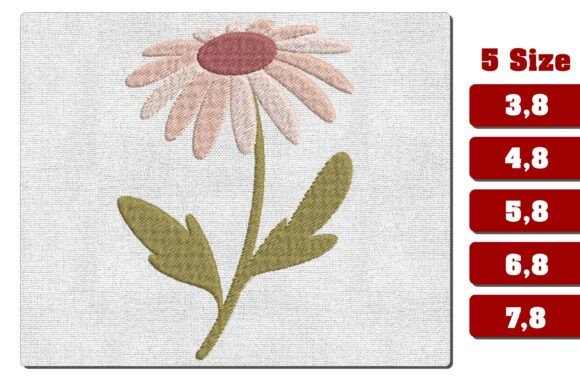
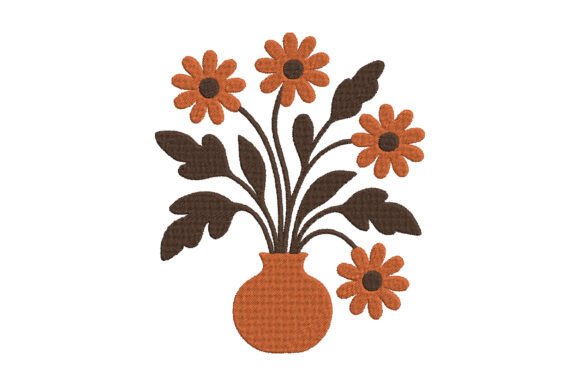
Upon loading the embroidery file into my software, the first thing I noticed was the intentional simplicity. The Orange Daisy Embroidery Design does not try to be a photorealistic botanical illustration; instead, it leans into a warm, stylized charm. The shape is balanced without being rigidly symmetrical, which gives it that coveted handmade feel rather than a mass-produced factory look. For Etsy sellers and makers focusing on cottagecore, boho, or modern minimalist aesthetics, this visual personality is a significant asset.
The layout suggests it belongs on items where negative space is just as important as the motif itself. Unlike heavy fill stitch designs that create a stiff patch of thread, this daisy appears to utilize a cleaner stitch path. This makes it inherently suitable for projects where fabric drape matters. When I assess Single Flowers categories, I am usually looking for designs that can stand alone as a focal point or cluster beautifully without merging into a muddy mess. This orange daisy passes that test, offering a distinct silhouette that reads clearly even from a distance.
Real-World Application: The Custom Tote Bag Test
To truly judge this design, I mentally applied it to a recent client request: a batch of natural canvas tote bags for a local bakery’s autumn promotion. Canvas is unforgiving; it has texture that can swallow fine details, yet it is sturdy enough to hold stitches well. Here is how the Orange Daisy Embroidery Design performs in this specific scenario.
For a tote bag design, durability and visual warmth are paramount. The orange hue provides excellent contrast against unbleached canvas, creating an inviting, seasonal vibe without relying on cliché pumpkin or leaf motifs. Because the stitch style is described as minimal, I anticipate less puckering on the canvas compared to denser florals. This is crucial for maintaining the professional quality of a finished product. Customers perceive value when embroidery lies flat and integrates with the bag rather than sitting on top like a heavy sticker.
Furthermore, this design translates exceptionally well to sweatshirt embroidery. I frequently source heavyweight cotton fleece for boutique merchandise. The clean lines of this daisy prevent the "bulletproof vest" effect that occurs when large, dense designs are placed on the chest of a hoodie. It allows the garment to remain soft and wearable, which directly impacts customer satisfaction and repeat business for any craft business.
Navigating Fabric Limitations and Hoop Sizes
While the Orange Daisy Embroidery Design is versatile, no design is universal. My experience dictates specific cautions depending on your substrate. If you are planning baby embroidery on onesies or knit blankets, the minimal stitch count is actually a benefit. Heavy designs irritate sensitive skin and weigh down stretchy knits. However, you must verify the stitch density before committing. Even clean designs can cause tunneling on ribbed knits if the tension isn't adjusted or if the proper stabilizer isn't used.
For small hoop sizes, such as 4x4 or smaller baby hoops, check the scaling limits. Reducing a floral design too much can cause satin columns to disappear or running stitches to become indistinguishable. Always test the resized version. Conversely, if you are working with textured fabrics like terry cloth towels or waffle weave, ensure the design has enough coverage to remain visible. A very delicate running stitch outline might get lost in the pile of a kitchen towel, whereas a bolder interpretation would shine.
I also advise caution with dark fabrics. Orange thread on navy or black creates high contrast, which is visually striking, but it also highlights any registration errors or bobbin thread bleed-through. If using this for commercial embroidery on dark garments, run a test sew-out to ensure your machine’s tension is dialed in perfectly. For light-colored linens or quilting cottons, the design is likely to be more forgiving and easier to produce consistently.
Enhancing Product Value and Brand Consistency
In the competitive landscape of handmade goods, consistency builds trust. Using cohesive design assets helps establish a recognizable brand identity. The Orange Daisy Embroidery Design fits seamlessly into collections featuring other simple florals, gingham patterns, or neutral typography. It avoids competing with text, making it ideal for personalized gift items where names or dates need to share space with the graphic.
For those selling digital embroidery files or physical products, presentation is everything. This design’s clean aesthetic photographs beautifully. It works well in printable mockups because the lack of excessive shading or gradient fills makes it easy to visualize on various backgrounds. When listing on platforms like Etsy, clear photos of the actual stitch-out build buyer confidence. Highlighting the "minimal and clean" aspect in your listing description manages customer expectations regarding texture and fabric compatibility.
Moreover, consider the perceived value. A custom apparel piece featuring this daisy feels artisanal rather than generic. It signals that the maker chose a design for its artistic merit, not just its availability. This subtle distinction allows for better pricing power and positions your shop as a curator of quality Embroidery rather than a volume printer.
Essential Designer Notes Before You Stitch
Before adding this to your next production run or personal project, adhere to these professional best practices:
- Verify Licensing: Always confirm whether your purchase includes commercial rights for selling finished items or if it is restricted to personal use. This is non-negotiable for Etsy sellers and shop owners.
- Test on Scrap Fabric: Never stitch directly onto a final product without a test run. Use a scrap of the exact fabric and stabilizer combination you intend to use to check for puckering, registration, and thread tension.
- Check Thread Colors: "Orange" varies wildly between brands. Compare your physical thread chart to the design’s color sheet. A neon orange will read differently than a burnt sienna, drastically changing the mood from playful to rustic.
- Inspect Small Details: Zoom in within your embroidery software. Ensure there are no stray jumps or tiny stitch clusters that could cause needle breaks or thread nests, especially if resizing the design.
- Stabilizer Selection: Match the stabilizer to the fabric weight. A tear-away might suffice for canvas totes, but a cut-away is likely necessary for stretchy sweatshirts to maintain the integrity of the minimal stitch style over time.
- Mockup Testing: Create black and white versions of your product photos. If the design loses its impact without color, it may rely too heavily on hue rather than form. This daisy should hold its shape regardless of colorway.
The Orange Daisy Embroidery Design represents a thoughtful balance of charm and utility. By understanding its strengths in minimal styling and its limitations regarding fabric texture and scaling, you can leverage it to create beautiful, sellable, and enduring embroidered goods. Whether you are stitching a holiday embroidery gift or stocking your shop with spring accessories, this design offers a reliable foundation for creative success.