Ladybug on Mushroom Embroidery Design Review
When evaluating a new machine embroidery design for my studio, I look beyond the digital preview. A screen render can be deceiving; the true test is how the embroidery file translates into thread, texture, and tactile appeal. The Ladybug on Mushroom Embroidery Design immediately caught my eye as a potential staple for whimsical projects, but as a professional reviewer and maker, I needed to assess its structural integrity and commercial viability before adding it to my production lineup. This review breaks down my practical experience testing this pattern for real-world applications, from custom apparel to boutique merchandise.
First Impressions: Whimsy Meets Structural Integrity
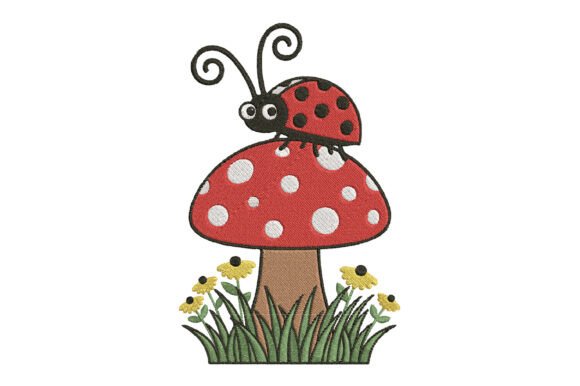
My initial assessment of the Ladybug on Mushroom Embroidery Design focused on its visual balance and emotional resonance. In the Bugs category, it is easy for designs to skew too realistic or too cartoonish. This pattern strikes a delightful middle ground, offering a charming, storybook aesthetic that appeals to both children and adults seeking nostalgic decor. The layout is compact yet distinct, with the ladybug positioned naturally atop the mushroom cap rather than floating awkwardly.
From a technical standpoint, the digitizing appears thoughtful. The transition between the mushroom’s textured cap and the smooth body of the ladybug suggests a smart mix of fill stitch and satin stitch work. For an Etsy seller or small shop product creator, this visual clarity is crucial. Customers buying handmade products expect crisp details, not muddy stitch-outs where colors bleed together. The design’s personality feels intentional, making it suitable for personalized gifts where the recipient values craftsmanship over generic clip art.
Real-World Application: Stitching a Custom Tote Bag
To truly judge this embroidery project, I moved past theory and set up a test run on a canvas tote bag. Totes are a high-volume item for craft business owners and serve as an excellent stress test for design stability due to the fabric's weave and frequent handling. I wanted to see if the Ladybug on Mushroom Embroidery Design would hold up as a centerpiece tote bag design without distorting or sinking into the material.
The stitching process was smooth, which speaks volumes about the underlying pathing. Poorly digitized files often cause excessive trims or jumps, slowing down production and increasing thread waste. This design ran efficiently, maintaining consistent tension throughout. The result was a vibrant, raised motif that popped against the natural canvas. As a finished product, it looked professional enough for retail sale. For makers focusing on commercial embroidery, this efficiency matters; time saved on machine operation directly impacts profit margins. If you are creating custom apparel or market bags, this design delivers the "cute factor" without sacrificing production speed.
Fabric Compatibility and Stabilizer Strategy
While the tote bag test was successful, versatility is key for any digital embroidery file. I evaluated how this design interacts with different substrates, as many clients request baby embroidery on onesies or sweatshirt embroidery on fleece.
- Stretchy Fabrics: For knits used in custom apparel, the stitch density must be balanced. Too dense, and the fabric puckers; too loose, and gaps appear. This design seems optimized for medium-weight stabilizers. Always use a cut-away stabilizer for stretchy garments to prevent distortion after washing.
- Textured Surfaces: On terry cloth towels or fleece blankets, fine details can get lost. Because this design features distinct shapes, it performs well on textured fabrics, provided you use a water-soluble topping to keep the stitches visible.
- Delicate Materials: If using this for heirloom baby items, verify the needle size and thread weight. A lighter touch may be needed to prevent perforating delicate cottons.
I advise caution when placing this design on highly curved surfaces like caps. Unless the design has been specifically digitized for caps, the flat nature of the mushroom base might distort on a rounded brim. Always test on a scrap piece of your specific fabric texture before committing to a client order.
Commercial Viability for Sellers and Makers
For creative entrepreneurs, a design is only as good as its sellability. The Ladybug on Mushroom Embroidery Design has strong potential for niche marketing. It fits perfectly into cottagecore, forest school, and springtime themes. When creating printable mockups or listing photos, the design’s clear silhouette reads well even at thumbnail size, which is essential for click-through rates on platforms like Etsy.
However, professionalism extends beyond aesthetics. Before selling this as part of your design assets or on finished goods, you must confirm the licensing terms. Does the license allow for mass-produced holiday embroidery items? Can you use it for embroidered patches? These legal distinctions protect your business. Additionally, consider color variations. While the classic red and white is iconic, offering muted, boho-toned thread colors can expand your customer base to include buyers who prefer modern neutrals over traditional brights.
Critical Designer Notes for Best Results
Based on my evaluation, here are my practical recommendations for integrating this design into your workflow:
- Verify Specifications: The product description highlights the whimsical nature but does not list exact stitch counts or hoop sizes. Always check these metrics in your software before purchasing to ensure compatibility with your machine and project scale.
- Contrast Testing: Test the design on both light and dark backgrounds. Ensure the outline or underlay provides sufficient separation so the ladybug doesn't disappear on dark fabrics.
- Density Check: If you plan to resize the design significantly, re-evaluate the stitch density. Scaling up can make stitches sparse, while scaling down can cause thread breaks or needle damage.
- Mockup Validation: Create black and white mockups to assess value contrast. If the design looks flat in grayscale, it may lack depth in thread form.
- Wash Test: For items like tea towels or baby clothes that require frequent laundering, wash your test swatch three times. This reveals whether the stabilizer was adequate and if the threads remain secure.
Final Verdict on Practical Use
The Ladybug on Mushroom Embroidery Design earns a positive recommendation for makers seeking reliable, charming imagery. It balances artistic appeal with technical soundness, making it a viable candidate for everything from personalized gifts to retail inventory. Its strength lies in its versatility; it is simple enough for beginners yet polished enough for established brands.
Success with this embroidery file ultimately depends on your preparation. Respect the fabric requirements, validate your licensing, and never skip the test stitch. When executed correctly, this design adds genuine value to your catalog, transforming plain textiles into coveted keepsakes. Whether you are stocking up for spring markets or fulfilling custom nursery orders, this pattern offers the quality and character that discerning customers appreciate in handmade goods.